Day: December 8, 2025

How Furniture Blocks Airflow and When to Call HVAC Services Springfield Missouri

Proper airflow is essential for HVAC systems to maintain comfort, efficiency, and indoor air quality. In many homes, furniture placement unintentionally obstructs vents and registers, reducing system performance. 

Homeowners in Springfield, Missouri, often experience uneven temperatures, higher energy bills, and unnecessary strain on their HVAC units because of airflow blockages. Redeemed HVAC provides HVAC services Springfield Missouri to help identify airflow issues and optimize system performance.

The Importance of Airflow

Airflow is the movement of conditioned air from the HVAC system into living spaces and back through return vents. Proper airflow is necessary for several reasons:

  • Comfort: Air must circulate freely to maintain consistent temperatures throughout the home.
  • Energy Efficiency: Blocked vents force the system to work harder, increasing energy consumption.
  • System Longevity: Restricted airflow can overwork motors, compressors, and other components, leading to premature failure.
  • Air Quality: Proper circulation ensures dust, allergens, and humidity are managed effectively.

Without adequate airflow, even a high-quality HVAC system cannot provide optimal comfort or efficiency.

Common Furniture Placement Problems

Certain furniture arrangements can significantly disrupt airflow:

  • Blocking Supply Vents: Sofas, chairs, or cabinets placed directly in front of vents prevent air from entering the room effectively.
  • Obstructing Return Vents: Closets, beds, or large pieces of furniture can block return vents, restricting air movement back to the system.
  • Overcrowding Small Rooms: Too much furniture in compact spaces can reduce circulation and create hot or cold spots.

Recognizing these issues is the first step to improving system performance.

Signs Furniture Is Affecting Airflow

Homeowners may notice several indicators that furniture is blocking airflow:

  • Uneven temperatures between rooms or within the same room.
  • Rooms that are always too hot or too cold despite thermostat adjustments.
  • HVAC system running constantly without reaching desired temperatures.
  • Increased dust or stale air in certain areas.

If these signs persist, furniture placement may be contributing to the problem.

Tips for Improving Airflow

Small adjustments can make a significant difference in HVAC performance:

  • Move Furniture Away from Vents: Keep supply and return vents at least a few feet clear of obstacles.
  • Use Air Deflectors: For unavoidable vent obstructions, deflectors can redirect airflow into the room.
  • Avoid Blocking Doorways and Hallways: Air should flow freely from one room to another for proper circulation.
  • Consider Room Layout: Arrange furniture in a way that promotes unobstructed pathways for air to circulate.

By optimizing furniture placement, homeowners can improve comfort and reduce energy costs without major HVAC modifications.

Advanced Solutions for Persistent Airflow Issues

Sometimes furniture placement alone does not solve airflow problems, especially in larger homes or spaces with complex layouts:

  • Additional Ductwork or Vents: Installing extra supply or return vents can improve circulation in obstructed areas.
  • Zoning Systems: Zoning allows independent control of temperature and airflow in different parts of the home, ensuring even comfort.
  • Air Balancing: Professional technicians can measure airflow in each room and adjust dampers or ductwork to optimize performance.
  • Upgrading Equipment: Older or undersized systems may struggle to circulate air effectively in modern homes, requiring system upgrades.

These solutions provide long-term improvements for homes with challenging layouts or heavy furniture.

Maintenance Considerations

Blocked airflow can cause unnecessary wear on HVAC systems, making maintenance even more important:

  • Check Filters Regularly: Dirty filters restrict airflow and exacerbate issues caused by furniture placement.
  • Inspect Ductwork: Leaks or obstructions in ducts reduce system efficiency.
  • Schedule Professional Tune-Ups: Annual inspections allow technicians to check airflow, adjust dampers, and identify hidden blockages.

Regular maintenance ensures that your system continues to operate efficiently, even if furniture placement cannot be significantly changed.

When to Call HVAC Professionals

While some airflow issues can be resolved by moving furniture or cleaning vents, certain problems require professional attention:

  • Persistent uneven temperatures despite rearranging furniture.
  • High energy bills without obvious cause.
  • Strange noises or pressure imbalances in the system.
  • Evidence of system strain, such as frequent cycling or overheating.

Experienced HVAC technicians can diagnose underlying causes, adjust ductwork, balance airflow, and recommend upgrades or modifications.

Benefits of Professional HVAC Services

Engaging professional HVAC services offers several advantages:

  • Comprehensive Airflow Assessment: Technicians measure airflow throughout the home and identify problem areas.
  • System Optimization: Adjustments to ductwork, vents, and dampers improve efficiency and comfort.
  • Energy Savings: Proper airflow reduces system workload, lowering energy consumption and costs.
  • Extended Equipment Life: Balanced airflow prevents unnecessary strain, prolonging the lifespan of your HVAC system.

Working with professionals ensures that your home remains comfortable, energy-efficient, and safe.

Maintain Comfort by Keeping Airflow Clear

Furniture placement may seem minor, but it can significantly impact HVAC system performance. Clear vents, proper room layout, and professional maintenance ensure consistent temperatures, efficient energy use, and long-term system reliability.

For homeowners in Springfield, Missouri, Redeemed HVAC provides expert HVAC services Springfield Missouri, including airflow assessments, system optimization, and professional recommendations for homes with challenging layouts. Contact Redeemed HVAC today to ensure your HVAC system operates efficiently, keeping your home comfortable in every season.

Redeemed HVAC
10224 W Farm Rd 178, Republic, MO 65738
(417) 241-5687
https://redeemedhvac.com/
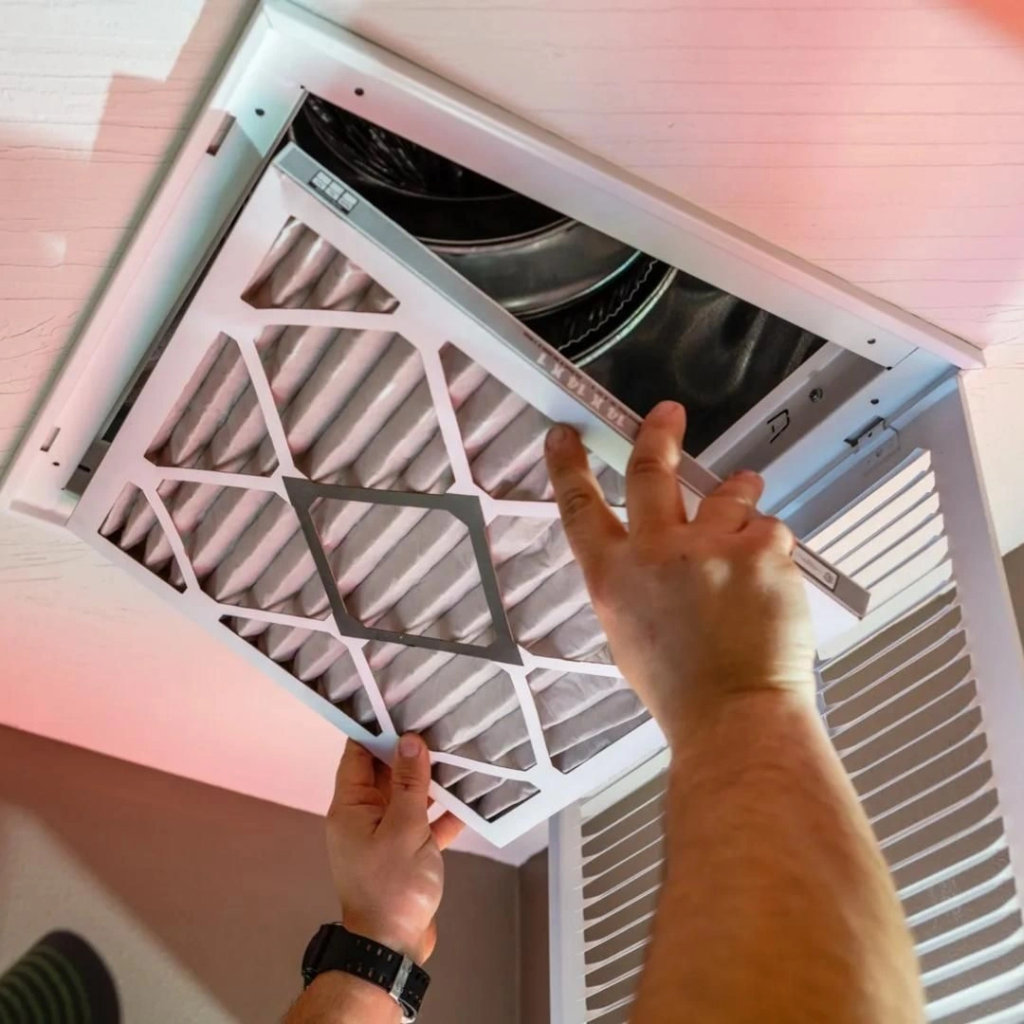

HVAC Services Springfield Checks for Hidden Return-Air Blockages

Return-air vents are a key part of any heating and cooling system, yet many homeowners rarely think about them. Most people focus on supply vents because they feel the warm or cool air coming from them. But return-air vents are just as important. These vents pull air back into the HVAC system so it can be filtered, conditioned, and sent out again.

When these returns become blocked, restricted, or clogged, the entire system slows down. Hidden blockages also cause high energy bills, weak airflow, uneven temperatures, and early system strain. 

This is why return-air evaluations from HVAC services Springfield are important. In this article, we explain how return-air blockages form, why they are hard to detect, and how Redeemed HVAC uncovers these issues to protect the home’s comfort.

What Return-Air Vents Do and Why They Matter

To understand return-air blockages, it helps to know what these vents actually do. Supply vents push conditioned air into the rooms. Return vents pull used air back into the system. This keeps airflow balanced. Without proper return airflow, the HVAC system cannot breathe. It becomes like trying to run while taking shallow breaths.

A working return-air system helps with:

  • Strong, steady airflow
  • Balanced temperatures across the home
  • Lower energy use
  • Cleaner indoor air
  • Longer system life

But when returns are blocked, airflow weakens. Many homeowners blame the unit itself, but the real problem is often hidden inside the walls or ducts. This is why HVAC services Springfield focus on both supply and return systems during an inspection.

How Return-Air Blockages Form

Return-air blockages do not happen at once. They build slowly, which is why homeowners may not notice the problem until airflow becomes very weak.

Here are the most common causes:

1. Dust and Debris Accumulation

Return vents pull in large amounts of air every day. This air carries dust, pet hair, small debris, and sometimes even insulation from the attic if ducts are poorly sealed. Over time, this material builds up inside the return duct and blocks airflow.

2. Furniture Covering the Vents

Many people place couches, shelves, curtains, beds, or desks right in front of return vents without realizing it. Even partial blockage reduces airflow noticeably.

3. Narrow or Undersized Return Ducts

Older homes often have return ducts that are too small for modern HVAC systems. When the system tries to pull more air than the ducts can handle, airflow becomes restricted.

4. Collapse or Damage Inside the Duct

Ducts in attics and crawlspaces can collapse due to age, moisture, or weight. A collapsed section creates a sudden blockage that homeowners cannot see.

5. Construction Dust and Debris

If the home recently had remodeling or drywall work, dust often enters the return system, creating thick blockages.

6. Improper Home Updates

Some renovations unintentionally cover return vents, disconnect ducts, or seal openings needed for airflow.

Most of these issues remain hidden until an HVAC specialist performs a detailed inspection. This makes professional HVAC services Springfield essential for maintaining proper air movement.

Signs You Have a Hidden Return-Air Blockage

Return-air problems often show clear signs. Homeowners may notice one or more of the following:

  • Weak airflow from supply vents
  • Rooms that stay too hot or too cold
  • HVAC unit running longer than usual
  • Whistling or rattling sounds at the return vent
  • Dust buildup around return grilles
  • High energy bills
  • Musty or dirty-smelling air
  • Temperature changes between floors

If these symptoms appear, there is a strong chance the return-air system has a blockage.

Why Hidden Return Blockages Harm the HVAC System

A return blockage is not just an airflow problem. It creates stress throughout the entire system.

Strain on the Blower Motor

The blower motor tries to pull air through a blocked return path. This strain can cause overheating and early failure.

Reduced Cooling and Heating Power

If the HVAC system cannot breathe, it cannot heat or cool properly. Conditioned air fails to circulate evenly.

Frozen Evaporator Coils

In cooling mode, low airflow can cause the evaporator coil to freeze. This stops cooling and can cause water damage when the ice melts.

High Utility Costs

The system runs longer trying to reach the set temperature. This increases monthly bills significantly.

Faster Wear on Parts

Pressure imbalances wear out internal components, causing breakdowns earlier than expected.

A blocked return is one of the quickest ways to shorten an HVAC unit’s lifespan. This is why Redeemed HVAC always checks return-air systems as part of their HVAC services Springfield inspections.

How Redeemed HVAC Checks for Hidden Return-Air Blockages

Return-air problems can be tricky, especially when ducts run behind walls or through tight spaces. Redeemed HVAC uses step-by-step methods to locate and fix these issues.

1. Visual Inspection of Grilles and Registers

The technician checks whether vents are blocked by furniture, clutter, or dust buildup. Even minor obstructions can limit airflow.

2. Airflow Measurement

By checking the air pressure and airflow at each vent, the technician can identify locations where air is not moving as it should.

3. Duct Camera Inspection

If needed, a small camera is inserted into the return ducts. This helps locate blockages such as dust layers, collapsed duct sections, or nests.

4. Duct Leak Testing

Sometimes blockages are paired with air leaks. A pressure test finds areas where air escapes, helping the technician spot hidden damage.

5. Return-Side Cleaning

Dust and debris inside the return ducts are removed using professional equipment. This improves airflow and indoor air quality.

6. Adding or Enlarging Return Vents

Many homes simply do not have enough return vents. Adding or resizing returns helps restore balance and improve system performance.

7. Sealing or Repairing Damaged Ductwork

If ducts are crushed, disconnected, or poorly sealed, repairs are made so air can flow freely again.

How Homeowners Benefit From Return-Air Improvements

Fixing return-air blockages offers several long-term benefits:

  • Stronger airflow from all vents
  • Better heating and cooling throughout the home
  • Lower monthly energy bills
  • Less dust in the air
  • Quieter HVAC operation
  • Fewer breakdowns
  • Longer system life

Improving return airflow is one of the simplest ways to upgrade home comfort without replacing the entire HVAC system.

Why Professional Help Matters

Attempting to fix return-air blockages alone can lead to accidental damage. Many blockages happen inside the ductwork, which requires special tools and knowledge. Homeowners may also mistake symptoms for other problems.

Professional HVAC services Springfield ensure that the inspection is accurate and the solution is effective.

Keep Your HVAC System Healthy With Redeemed HVAC

Hidden return-air blockages can cause uneven temperatures, weak airflow, and high energy bills. But with the right inspection and maintenance, you can restore proper airflow and protect your HVAC system from strain. Redeemed HVAC provides detailed return-air evaluations, cleaning, and repairs that help keep your system running smoothly.

For trusted HVAC services Springfield and expert solutions for hidden airflow problems, reach out to Redeemed HVAC today.

Redeemed HVAC
10224 W Farm Rd 178, Republic, MO 65738
(417) 241-5687
https://redeemedhvac.com/

-