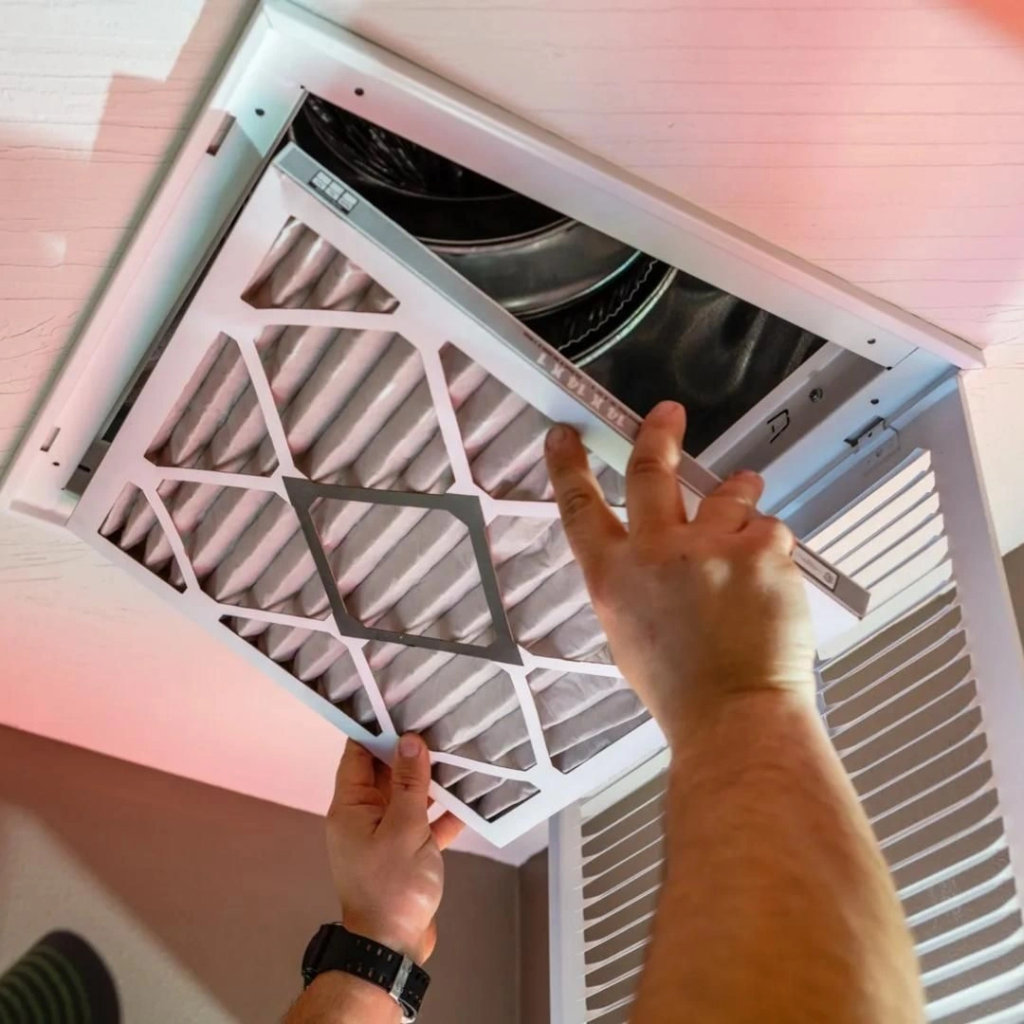
Return-air vents are a key part of any heating and cooling system, yet many homeowners rarely think about them. Most people focus on supply vents because they feel the warm or cool air coming from them. But return-air vents are just as important. These vents pull air back into the HVAC system so it can be filtered, conditioned, and sent out again.
When these returns become blocked, restricted, or clogged, the entire system slows down. Hidden blockages also cause high energy bills, weak airflow, uneven temperatures, and early system strain.
This is why return-air evaluations from HVAC services Springfield are important. In this article, we explain how return-air blockages form, why they are hard to detect, and how Redeemed HVAC uncovers these issues to protect the home’s comfort.
What Return-Air Vents Do and Why They Matter
To understand return-air blockages, it helps to know what these vents actually do. Supply vents push conditioned air into the rooms. Return vents pull used air back into the system. This keeps airflow balanced. Without proper return airflow, the HVAC system cannot breathe. It becomes like trying to run while taking shallow breaths.
A working return-air system helps with:
- Strong, steady airflow
- Balanced temperatures across the home
- Lower energy use
- Cleaner indoor air
- Longer system life
But when returns are blocked, airflow weakens. Many homeowners blame the unit itself, but the real problem is often hidden inside the walls or ducts. This is why HVAC services Springfield focus on both supply and return systems during an inspection.
How Return-Air Blockages Form
Return-air blockages do not happen at once. They build slowly, which is why homeowners may not notice the problem until airflow becomes very weak.
Here are the most common causes:
1. Dust and Debris Accumulation
Return vents pull in large amounts of air every day. This air carries dust, pet hair, small debris, and sometimes even insulation from the attic if ducts are poorly sealed. Over time, this material builds up inside the return duct and blocks airflow.
2. Furniture Covering the Vents
Many people place couches, shelves, curtains, beds, or desks right in front of return vents without realizing it. Even partial blockage reduces airflow noticeably.
3. Narrow or Undersized Return Ducts
Older homes often have return ducts that are too small for modern HVAC systems. When the system tries to pull more air than the ducts can handle, airflow becomes restricted.
4. Collapse or Damage Inside the Duct
Ducts in attics and crawlspaces can collapse due to age, moisture, or weight. A collapsed section creates a sudden blockage that homeowners cannot see.
5. Construction Dust and Debris
If the home recently had remodeling or drywall work, dust often enters the return system, creating thick blockages.
6. Improper Home Updates
Some renovations unintentionally cover return vents, disconnect ducts, or seal openings needed for airflow.
Most of these issues remain hidden until an HVAC specialist performs a detailed inspection. This makes professional HVAC services Springfield essential for maintaining proper air movement.
Signs You Have a Hidden Return-Air Blockage
Return-air problems often show clear signs. Homeowners may notice one or more of the following:
- Weak airflow from supply vents
- Rooms that stay too hot or too cold
- HVAC unit running longer than usual
- Whistling or rattling sounds at the return vent
- Dust buildup around return grilles
- High energy bills
- Musty or dirty-smelling air
- Temperature changes between floors
If these symptoms appear, there is a strong chance the return-air system has a blockage.
Why Hidden Return Blockages Harm the HVAC System
A return blockage is not just an airflow problem. It creates stress throughout the entire system.
Strain on the Blower Motor
The blower motor tries to pull air through a blocked return path. This strain can cause overheating and early failure.
Reduced Cooling and Heating Power
If the HVAC system cannot breathe, it cannot heat or cool properly. Conditioned air fails to circulate evenly.
Frozen Evaporator Coils
In cooling mode, low airflow can cause the evaporator coil to freeze. This stops cooling and can cause water damage when the ice melts.
High Utility Costs
The system runs longer trying to reach the set temperature. This increases monthly bills significantly.
Faster Wear on Parts
Pressure imbalances wear out internal components, causing breakdowns earlier than expected.
A blocked return is one of the quickest ways to shorten an HVAC unit’s lifespan. This is why Redeemed HVAC always checks return-air systems as part of their HVAC services Springfield inspections.
How Redeemed HVAC Checks for Hidden Return-Air Blockages
Return-air problems can be tricky, especially when ducts run behind walls or through tight spaces. Redeemed HVAC uses step-by-step methods to locate and fix these issues.
1. Visual Inspection of Grilles and Registers
The technician checks whether vents are blocked by furniture, clutter, or dust buildup. Even minor obstructions can limit airflow.
2. Airflow Measurement
By checking the air pressure and airflow at each vent, the technician can identify locations where air is not moving as it should.
3. Duct Camera Inspection
If needed, a small camera is inserted into the return ducts. This helps locate blockages such as dust layers, collapsed duct sections, or nests.
4. Duct Leak Testing
Sometimes blockages are paired with air leaks. A pressure test finds areas where air escapes, helping the technician spot hidden damage.
5. Return-Side Cleaning
Dust and debris inside the return ducts are removed using professional equipment. This improves airflow and indoor air quality.
6. Adding or Enlarging Return Vents
Many homes simply do not have enough return vents. Adding or resizing returns helps restore balance and improve system performance.
7. Sealing or Repairing Damaged Ductwork
If ducts are crushed, disconnected, or poorly sealed, repairs are made so air can flow freely again.
How Homeowners Benefit From Return-Air Improvements
Fixing return-air blockages offers several long-term benefits:
- Stronger airflow from all vents
- Better heating and cooling throughout the home
- Lower monthly energy bills
- Less dust in the air
- Quieter HVAC operation
- Fewer breakdowns
- Longer system life
Improving return airflow is one of the simplest ways to upgrade home comfort without replacing the entire HVAC system.
Why Professional Help Matters
Attempting to fix return-air blockages alone can lead to accidental damage. Many blockages happen inside the ductwork, which requires special tools and knowledge. Homeowners may also mistake symptoms for other problems.
Professional HVAC services Springfield ensure that the inspection is accurate and the solution is effective.
Keep Your HVAC System Healthy With Redeemed HVAC
Hidden return-air blockages can cause uneven temperatures, weak airflow, and high energy bills. But with the right inspection and maintenance, you can restore proper airflow and protect your HVAC system from strain. Redeemed HVAC provides detailed return-air evaluations, cleaning, and repairs that help keep your system running smoothly.
For trusted HVAC services Springfield and expert solutions for hidden airflow problems, reach out to Redeemed HVAC today.

Redeemed HVAC
10224 W Farm Rd 178, Republic, MO 65738
(417) 241-5687
https://redeemedhvac.com/